

HMRC launches tax advisor register checker tool
HMRC has launched a new online tool allowing taxpayers to check whether their tax advisor is registered with it. The checker has been introduced shortly before new standards for tax advisors come into force. What does this mean for taxpayers and agents?
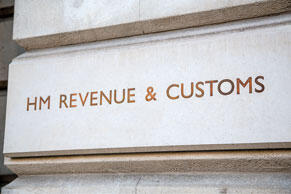
The new service enables taxpayers to confirm whether a tax advisor or agent is recognised by HMRC and authorised to deal with tax matters on behalf of clients. The move forms part of HMRC’s wider efforts to improve standards in the tax advice market and reduce the risk of taxpayers dealing with unauthorised or non-compliant advisors. The timing is notable. The checker has been introduced shortly before the rollout of new requirements affecting tax agents, including increased scrutiny of agent activity and stronger expectations around professional standards and compliance.
For taxpayers, the tool is intended to provide an additional level of reassurance before appointing an advisor. HMRC has increasingly warned about the risks of using unregulated agents, particularly in areas such as repayment claims and tax avoidance arrangements. For advisors, the launch signals a continued move towards greater transparency and oversight of the tax advice market. Firms should ensure their HMRC agent credentials and authorisations are up to date, particularly where clients may begin using the new checker before appointing an advisor.
Related Topics
-
CT61
-
Could refinancing your property put mortgage interest relief at risk?
HMRC has changed its guidance on claiming tax relief for interest on loans used to replace capital withdrawn from a business. The Chartered Institute of Taxation (CIOT) has now challenged the revised guidance, warning that it creates uncertainty for landlords, sole traders and partnerships. Could your borrowing arrangements be affected?
-
HMRC text or scam? Check before you act
HMRC is contacting some taxpayers by text this week about overdue Self Assessment liabilities and is also sending updates about VAT registration applications. At the same time, it has expanded its guidance on spotting fake HMRC messages on social media. How can you tell whether a message is genuine?
 This website uses both its own and third-party cookies to analyze our services and navigation on our website in order to improve its contents (analytical purposes: measure visits and sources of web traffic). The legal basis is the consent of the user, except in the case of basic cookies, which are essential to navigate this website.